Bring your vision to life with WISONA. Get a free analysis + 10% off your first year. Send your brief today!

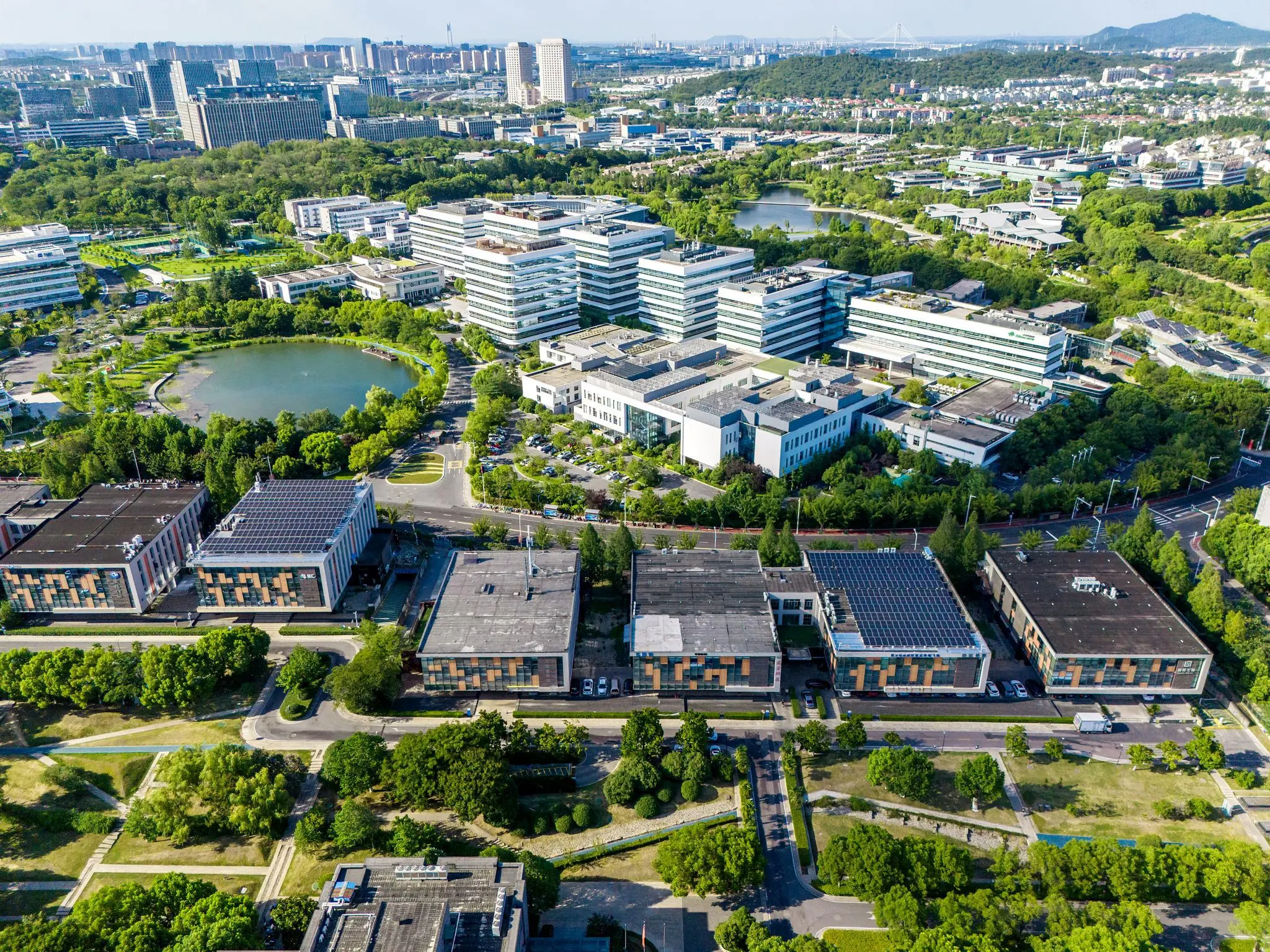
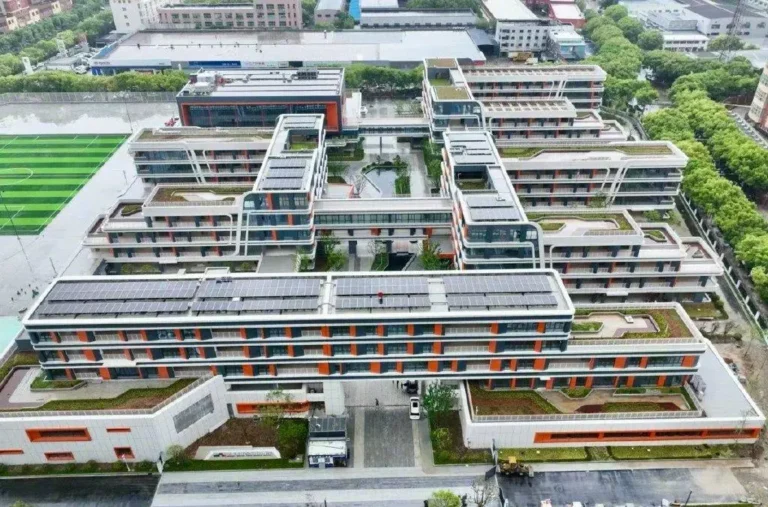
A United Nations Demonstration Net-Zero Industrial Park covering 2.7 hectares with a total gross floor area of 36,000 sqm was selected as one of WISONA’s early large-scale industrial deployment projects. The park was designed to showcase low-carbon development while maintaining reliable operations across multiple industrial facilities and shared infrastructure.
The project demanded more than energy optimisation. Continuous system availability, predictive maintenance, and operational stability were essential to ensure uninterrupted services for tenants and facility operators.
WISONA integrated the park’s building automation systems, equipment monitoring platforms, energy infrastructure and operational data into a unified AI management platform.
Rather than simply monitoring equipment status, the platform continuously analysed equipment behaviour, identified abnormal operating patterns, and generated predictive maintenance recommendations before failures could affect daily operations.
Key capabilities included:
Following deployment, the platform demonstrated exceptional reliability and operational stability.
The project provided long-term operational validation for WISONA’s AI platform, demonstrating that intelligent building technologies can operate reliably within demanding industrial environments while significantly reducing operational risks.
The successful deployment established a scalable model for intelligent industrial park management, combining predictive maintenance, continuous optimisation and operational resilience to support future net-zero developments.